

We’re so proud to be partnering with OCD Doodles and FYI Print House for this year’s OCD Awareness Week — and to share the story behind our brand-new limited-edition tote bag and sticker collection!
This collaboration brings together two brilliant creators, both using their lived experience of OCD to drive change. Laura Johnson, the Leeds-based artist behind OCD Doodles, and Tom Buxey, director and co-founder of the Leeds and Sheffield design agency FYI, have each turned their journeys with OCD into sources of creativity, connection, and advocacy.
The collection — designed by Laura and printed by Tom’s team at FYI — is being sold exclusively through the OCD Action Shop, with 100% of proceeds going to OCD Action. We’re incredibly grateful to both Laura and Tom for making this happen with their generosity, passion, and commitment to changing the conversation around OCD.
We can’t wait for people to get their hands on these designs — each tote and sticker is bold, thoughtful, and created to start conversations that help others understand what OCD is really like.
You can explore Laura’s work at ocddoodles.com and follow her at @ocddoodles, and learn more about Tom’s company FYI at www.wearefyi.co.uk.
Below, Laura and Tom share more about their experiences with OCD, how they met, and how their creative partnership began.
Turning Pain into Purpose – Laura & Tom on OCD, Recovery, and Creating Change Together
Can you both tell us a little about your experiences of living with OCD and how it first showed up in your lives?
Laura: My first OCD symptoms started when I was in the first year of primary school, around age 5. I remember feeling this overwhelming need to do certain things, like walking up the playground steps in a specific way to prevent bad things happening to my family. I was so young, but I already felt scared and responsible for others. I had no idea it was OCD though. It took on several different guises (existential, relationship, contamination, disgust, harm, maternal) over the years but I wasn’t diagnosed until I was 29 and pregnant with my first child.
Tom: Looking back now, with the knowledge I have, there were definitely times from about the age of 6 when I’d have symptoms and excessively worry about certain things. My OCD didn’t really bother me, though, until I had a huge period of uncertainty in my life when I dropped out of uni at 19. This was a huge trigger, and it spiralled out of control. At the time I didn’t realise it was OCD and I just thought I was losing my mind. It wasn’t until I was 26 when I was diagnosed with OCD that the journey of recovery really started, and as we all know, that isn’t linear! I’d say I have “Pure O“ and the majority of my compulsions are mental.
Before finding the right support, what kinds of things did you both try or explore to get help for OCD?
Laura: I had several rounds of general CBT therapy with the NHS (but not targeted to OCD) and I was on and off SSRI medications before I lost faith in conventional treatment and fell for the promises of an unqualified person who claimed they could treat me. I was vulnerable and desperate and that experience set my recovery back. There were lots of free and low cost resources that I turned to afterwards, which I found very helpful, including The OCD Stories podcast, the OCD Action website and self-help books written by experts like Jon Hersfield, Reid Wilson and Jonathan Grayson.
Tom: As I was convinced I was losing my mind, I quickly went to see my family GP and they reassured me that it was just anxiety, and that I should take some SSRIs which I really didn’t want to do because of the stigma associated with it (this was over 20 years go…). They referred me to a counsellor who didn’t help much, and then I was sent to see a psychiatrist (which was terrifying) who diagnosed me with GAD and prescribed SSRIs. Things did improve but whenever there were stressors it would get worse again. I saw a university counsellor on and off during Uni and joined a therapy group but neither helped as I still didn’t know it was OCD. After I finished uni (the second time) things were really bad again and I went back to a doctor who sent me to a Community Mental Health Nurse who referred me for psychotherapy and then CBT. It was the CBT therapist who gave me my diagnosis of OCD – finally things started to make sense and I started the journey of recovery. After a few years things got really bad again and I decided to look for an OCD expert and I actually ended up paying for private therapy with the OCDLA clinic in America. I can also say Reid Wilson’s videos on YouTube helped a lot and The OCD Stories podcast as it covers so many OCD themes, of which I’ve had many!
How did the two of you meet, and what inspired you to start working together?
Laura: We first started talking online back in early 2021. Tom was one of my Instagram followers and he reached out after seeing one of my doodles, which was actually based on the OCD Action prompt ‘what would you like to see change?’ Tom and I were of the same opinion that we would like to see more OCD-focussed information out there. Tom explained that he owned a design and print company and we got chatting about how we could collaborate. Conversation then naturally turned towards our shared experiences of OCD and it turned out he lived 10 minutes up the road from me. We met for a coffee, discussed OCD and what we might be able to do to raise awareness, and we have been friends ever since.
Tom: I reached out to Laura during the pandemic. My business lost 80% of revenue overnight and most staff were on furlough. We’d recently done a campaign raising money for NHS charities using our redundant print machinery to print various banners and posters that had been designed by a range of artists organised by In Good Company from Leeds. I thought it might be great to print some of Laura‘s OCD doodles and try and sell them to raise money for charity. I couldn’t believe she was also from Leeds and we soon met up for a coffee and shared some of our experiences and discussed how we could collab on stuff.
You’ve both turned something painful into something really positive through your collaboration. Could you tell us about how FYI and OCD Doodles began working together to support OCD Action?
Laura: Finding a purpose in the pain and giving back has been a very healing part of recovery for me, and to be able to use my doodles to do that, makes it all the more meaningful and special. Tom and I have collaborated on quite a few items now, the first being the ‘OCD in 100 doodles’ print. Later, we got a bit more ambitious and created some bundles for the ‘BIG GIVE’. We have always given 100% of the proceeds from our collaborations to OCD charities and in total, to date, we’ve raised £9,588 (including gift aid and match funding)! When I see that number written down, it feels surreal. More recently, OCD Action reached out to me and asked if I’d like to design an item or two for their official shop. My first thought was ‘I wonder if Tom wants to be involved?!’ I got straight on the phone! It would be amazing if we could reach the £10,000 mark with this project.
The new tote bags and stickers feature some really thoughtful designs and messages. What inspired the words and imagery you chose?
Laura: One of the challenges of OCD advocacy is projecting the message outside of the OCD echo chamber. The people that tend to find me online are the people who have OCD, they have a loved one with OCD or they are a mental health professional. That’s fantastic for raising awareness within the community, but reaching those outside of it can be difficult. For that reason, we went with messaging that is general enough that a person without OCD might resonate with it but that also holds a deep meaning for somebody with OCD (whether they have a diagnosis yet or not.) I would hope that the products Tom and I collaborate on can act as conversation starters in shops, in bars …. out in the real world!
In terms of the imagery, we chose something bold and simple that could be read from a distance for the totes. Similarly for five of the seven stickers, but we also wanted to include something useful for people within the community, so we chose to print two of my most popular doodles as stickers too. The first being the OCD cycle, an image I wish I’d have had placed in front of me the moment I got my diagnosis. The second is a visual reminder that the general trajectory of recovery is up, but there are setbacks, life stressors and other curve balls that as humans we have to learn to navigate. It resonates with a lot of people and I created it from personal experience when I was in that mid-stage of recovery, when setbacks felt like failures and I knew I needed to master acceptance and self-compassion, but I wasn’t quite there yet! I’m still working on it… but that image reminds me that I’m on that messy (non-linear… depending how zoomed in you are!) line upwards.
OCD Action clearly plays a big role in both your stories. What does the charity mean to you personally?
Laura: OCD Action is very special to me. I contacted them after a really negative experience with an unqualified ‘coach’, and they took the time to guide me to specialist OCD treatment. I will always be grateful to the OCD Action volunteer who spent hours listening to me. He had so much patience and compassion, speaking with him was a pivotal moment in my recovery. I am not exaggerating when I say those conversations were life-changing for me and I am so grateful. He knows who he is!
Tom: OCD is such a misunderstood mental health condition and therefore it’s so important that organisations like OCD Action exist to help change to educate, spread the word and be a vital resource for people who are suffering with the condition. Through connecting with the OCD community online it seems that for most people it takes years to get a proper diagnosis. That means years of unnecessary suffering which can lead to devastating consequences. It’s important to me that I support OCD Action anyway I can so it can help as many people as possible!
Community seems to play a big part in what you both do. What role has connection with each other, and with others who have OCD played in your recovery?
Laura: I think community was one of the missing pieces for me after my diagnosis. I felt very alone in my experience until I found the online OCD community (that includes you Tom!). Feeling misunderstood for so many years chipped away at my self-esteem and self-worth but meeting people like Tom and others with OCD made me realise that OCD wasn’t my whole identity. Seeing people learning to manage the disorder and accomplishing amazing things, having great ideas, advocating for themselves and fighting back, whilst living alongside it, inspired me to want to do the same.
Tom: I can definitely echo this. For the best part of a decade after diagnosis I felt very alone and misunderstood. Finding people talking about their OCD experiences online and through podcasts helped with this and then the coincidence of Laura living so close really brought home how many people it affects and how likely it is that someone you know will either be affected themselves or know someone who is. It was really important meeting Laura though, as real life experiences mean so much more than online and even though our OCD shows up in completely different ways, there are loads of experiences and learning we can share, as well as support if times get tough!
What message would you both share with someone struggling right now, who maybe hasn’t yet found the right help or community?
Laura: Well, I’d share the messages on the tote bags and stickers (haha!) but I would also say contact OCD Action via telephone or email, tell them your story, and find out what your options are. You might be like me and eligible for specialist treatment, or you might benefit from joining a support group. I’d also say take recovery one step at a time. Thinking about being recovered all in one go can feel overwhelming but if you can just think about the very next step (which might be contacting a charity) and give yourself time and self-compassion during the process, I think that goes a long way.
Tom: Please never give up. There is a life beyond OCD and you deserve all of it. The right support is out there, don’t stop looking. Reach out to an organisation like OCD Action and they will point you in the right direction. Also follow pages like Laura’s (OCD Doodles) for tips and resources and connect with the wider OCD community. There’s lots of wonderful human beings, doing amazing things with OCD out there, just like you.
Finally, what’s next for you both? What do you hope people take away from this new collaboration?
Laura: I’m currently working on a visual resource library, giving therapists access to my doodles and a license to print them for their clients. I’ve also had some interest from publishers, asking me to write a book, centred around my doodles and my story. So that’s exciting!
I’d love to continue working with Tom to bring more of my doodles to life, raising awareness of OCD in places like schools and GP surgeries. I hope we can keep improving on that fundraising tally for OCD Action too.
In terms of a takeaway, I’d love for this new bundle to give people the opener for an honest conversation about how OCD impacts lives. At the root of all this is a hope that less and less people have to wait as long as Tom and I did to recognise their symptoms, receive a diagnosis and access effective treatment.
For that to happen, we need to encourage people, through respectful conversation, to think beyond the stereotypes, the misuse and misconceptions that affect all of us with OCD. Those conversations are happening – we just want to facilitate more of them.
Tom: I don’t have anything specific in mind but something I’ve wanted to do for a long time is some sort of collaboration that reaches GP waiting rooms – posters and leaflets to give information about what OCD really is and the misconceptions often portrayed in the media. Hopefully this will help some people get a faster diagnosis and get on their recovery journey quicker than I did. In terms of takeaways, I just hope it raises a decent amount of cash for OCD Action!
A huge thank you
We’re so grateful to Laura and Tom for sharing their stories, creativity, and passion for raising awareness through this collaboration. Each tote bag sold helps fund OCD Action’s vital work — providing support, information, and campaigning for better understanding of OCD.
Meet the creators
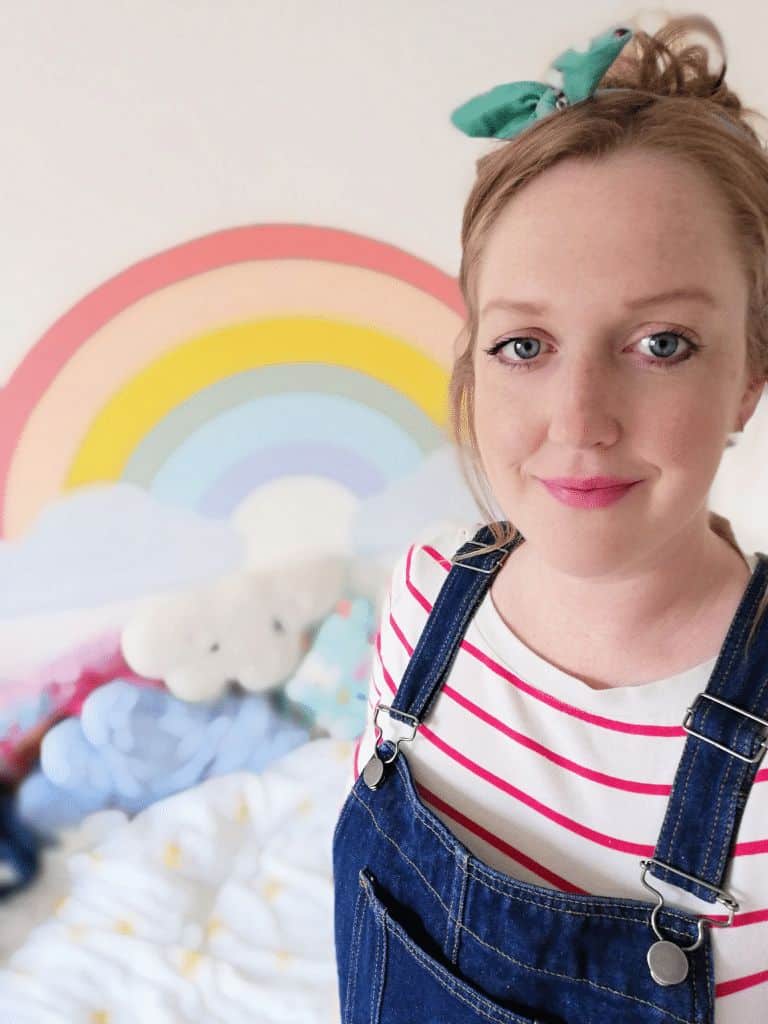 |
Laura Johnson – OCD Doodles Laura founded OCD Doodles in 2019, while pregnant with her second child, using doodling as a way to process and make sense of her experiences with OCD. What began as a personal outlet soon grew into a widely recognised visual platform that blends honesty, humour, and hope to educate and comfort others living with the condition. Drawing on her scientific background, she combines insight and lived experience to make OCD more visible, relatable, and understood through art that has resonated worldwide. |
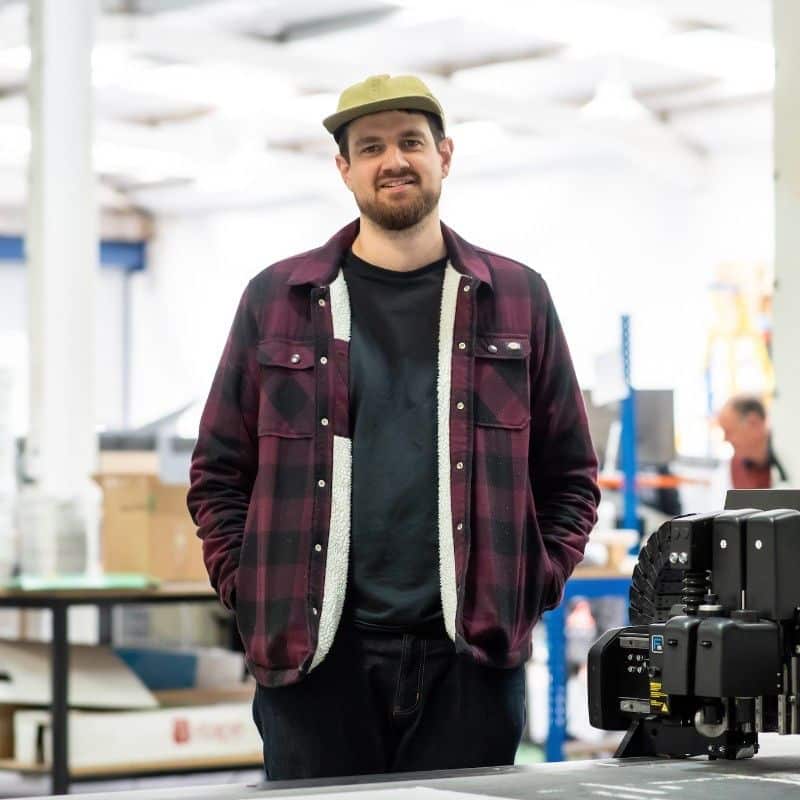 |
Tom Buxey – FYI Originally from Grimsby and now based in Leeds near Laura, Tom co-founded FYI in 2008. It all started with a passion for music and organising charity events to raise money for an orphanage in Ghana. This grew into a business supporting other promoters with flyers, posters and advans, and has since evolved into a commercial print and design agency with studios in Leeds and Sheffield and a 40-strong team. FYI now works with some of the world’s biggest drinks brands, multi-site hospitality operators and music events — while continuing to support worthy causes. With Tom’s personal experience of OCD, partnering with OCD Action was a perfect fit. |